Feeds:
Posts
Comments

Archive for the ‘Our farm products’ Category

How to bat 1000

How does it happen? One day you have a not-quite-ready-to-harvest zucchini. Then seemingly overnight it grows into a “baseball bat.”
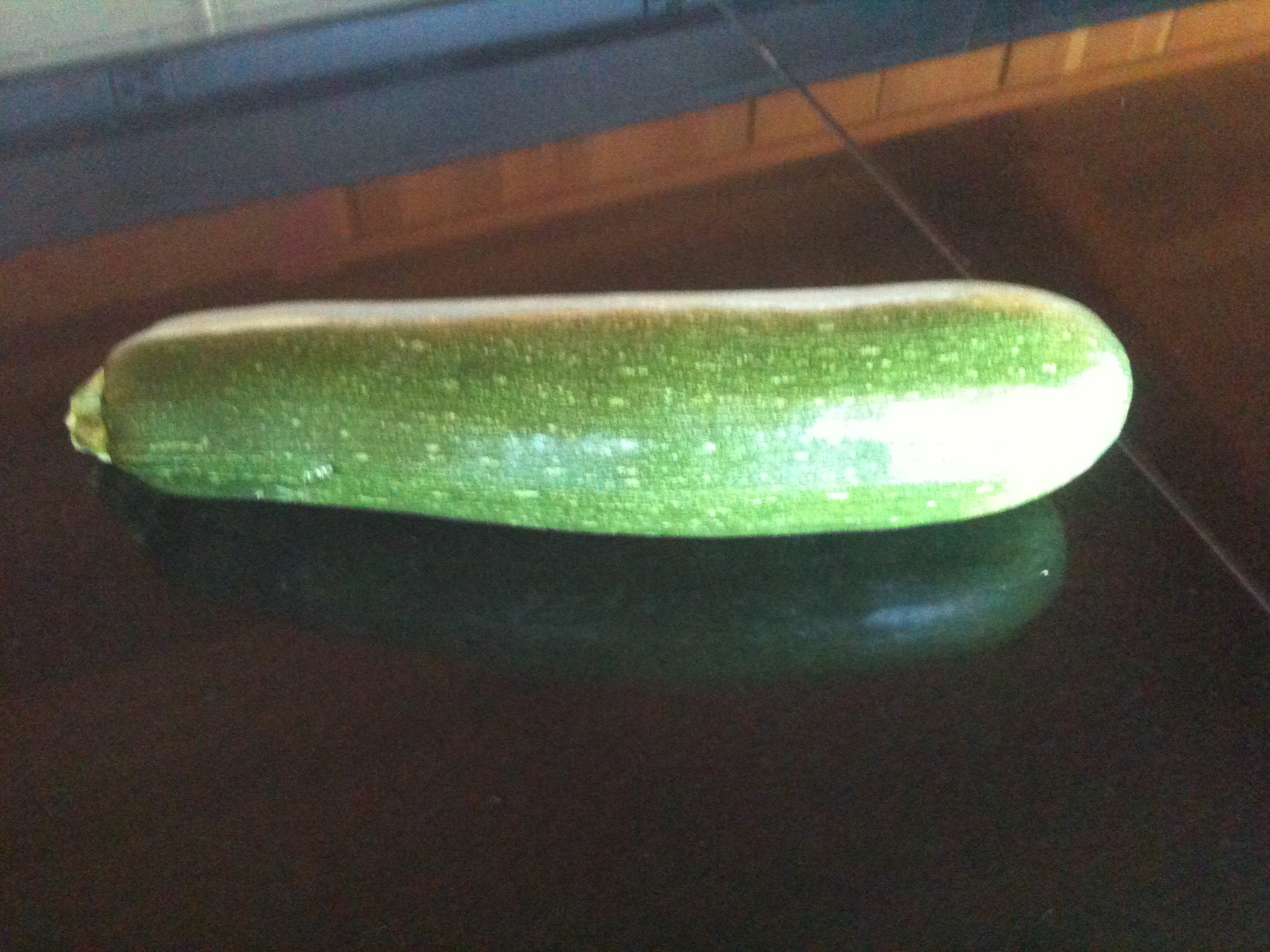
"Baseball bat" zucchini

Oh no! Today I discovered this “baseball bat” zucchini hidden under some leaves.


Too big to be tender, bats are a big problem. Recently we discovered a delicious solution. Turn the bats into boats filled with croutons, tomatoes, fresh mozzarella, pine nuts and pesto. Voila! Tasty vegetable dish for four, or maybe six if you’ve got a REALLY big bat. Try this recipe, we love it.
Read Full Post »

June-bearing berries (in our area, make that July) are said to be sweeter than the everbearing varieties. We grow Quinault everbearing and they do have a bit of tartness that personally I like. Enjoyed them with breakfast this morning.

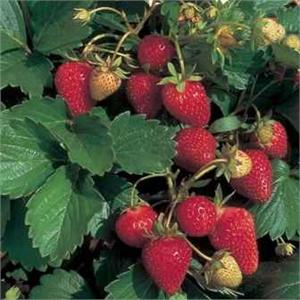
Hecker strawberry plant

Hecker is a day-neutral variety developed at the University of California at Davis. Photo courtesy of Sakuma Bros. Farm. You can order this variety from them. Click photo to go to the ordering page.

But this week I tasted a day-neutral cultivar called Hecker, developed at U.C. Davis, that was new to me and very sweet. I will be planting some of these for sure.

Read Full Post »

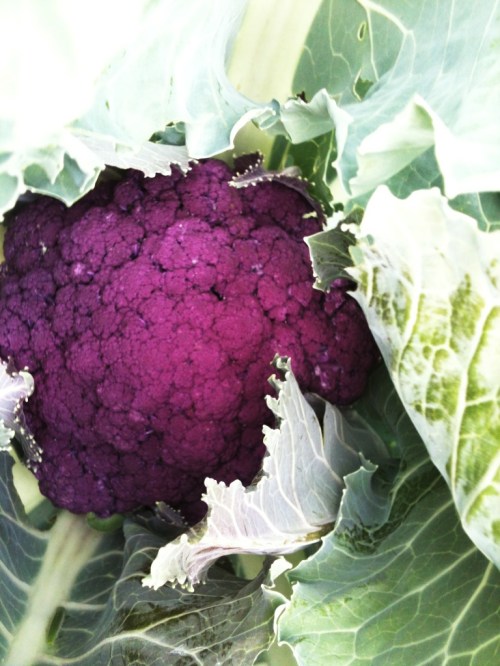
Sure, growing vegetables is practical. Raising your own food is satisfying. But just because it’s utilitarian doesn’t mean it has to be boring. Did you know that cauliflower doesn’t have to be white? There is a beautiful golden variety called, fittingly, Cheddar. But my favorite is this purple.

Purple cauliflower growing at Smith Rock Farm

Cauliflower can be beautiful. I love this purple variety. (Photo by Thomas Osborne.)

Read Full Post »

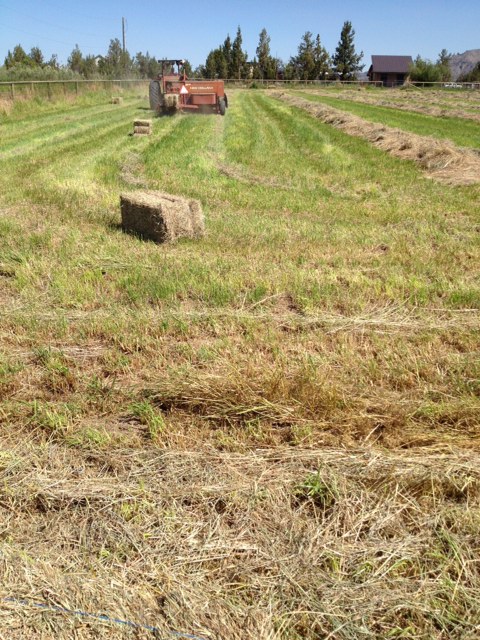
Our first cutting of hay was a little late this year because of wet weather. We baled last weekend and had a yield of nearly 2 tons per acre.

First 2012 cutting of hay at Smith Rock Farm

Baling day at Smith Rock Farm for the first cutting of 2012. Photo by Thomas Osborne.

Read Full Post »

What goes into our hay

Our hay is growing tall but with rain forecast this weekend, we can’t cut yet. We need a stretch of at least five days of dry weather – not usually a problem in the High Desert where we have 10 inches or less of rainfall per year. It’s been a cool, wet spring.

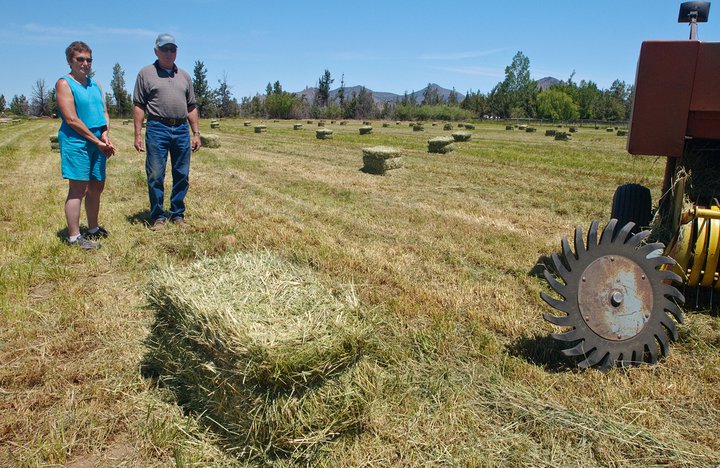
Hay harvest, first cutting 2011

Hack Norton, right, and Jan Even, left, assess the first cutting of the 2011 season at Smith Rock Farm. Photo by Thomas Osborne.


We grow a premium hay mix that contains Tetraploid perennial ryegrass, Potomac orchardgrass, Fleet Meadow brome, Pizza orchardgrass, Bull tall fescue, Treasure timothy, and Max annual ryegrass. It’s great for horses, or any livestock, but requires substantial irrigation.
Hack Norton, a nearby cattle rancher who runs Hacklin Herefords (grass-fed beef), cuts and bales our hay.

Read Full Post »

Hay sold out

Our hay production for the 2012 season is now sold out. We are working on being able to achieve weed-free certification for next year.
To find a hay grower to supply you this season, contact the Central Oregon Hay Growers’ Assn., 498 S. E. Lynn Blvd., Prineville, OR 97754 or its president, Greg Mohnen (541-419-5339 or greg@themcginnisranch.com).

Read Full Post »

Planting is almost finished! We should be doing our first cutting of hay soon.

Read Full Post »

« Newer Posts